
Namibia Safari
Surreal dunes, desert wildlife and marine mammals.
At once surreal, blazing, pristine, and home to some of the world’s wildest creatures, Namibia is a life-altering experience. (Or so we’ve personally found…)
If this is your first time to Africa, Namibia is a gentle, warm-spirited introduction. For those of you who have explored other parts of the continent, this journey will give you a completely different perspective – and some mind-blowing photos.
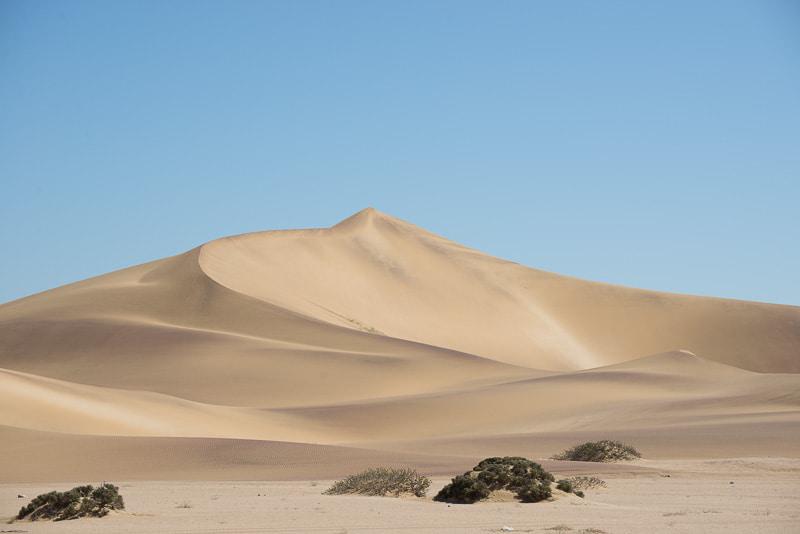
Discover one hauntingly beautiful ecosystem after another. Traverse the vast expanses of the Kalahari and Namib Deserts to see the world’s highest sand dunes. In Walvis Bay, venture out in kayaks to experience its bounty of seabirds, dolphins, whales and sea lions. Fly over the Namib Sand Sea and along the Skeleton Coast to Damaraland. Explore the jagged canyons on the lookout for specially adapted desert elephants, lions and cheetahs. In famous National Parks like Etosha, enjoy world-class game viewing of Africa’s great mammals. We stay in some of the best boutique lodges the region has to offer.
We will advise you on the perfect time for our safari: when the weather is neither too hot nor too cold, when the rainy season has ended, and when the game viewing is good. And our guides are simply the best, friends we know personally who can bring every second and scene of Namibia to startling life.
Day 1 — Arrive in Windhoek
Transfer to your hotel where your safari guide will join us for a briefing and a welcome dinner.
Day 2 — The Namib Desert, Sossuvlei
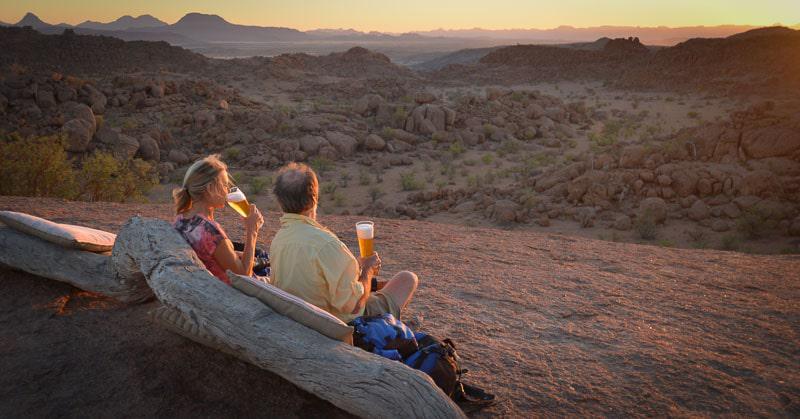
From Windhoek, transfer to the Khomas Hochland for the most dramatic views of the famous Namib Desert, 1800 metres below. After a steep descent to the desert arrive at Sossuvlei, and a boutique lodge inside the National Park. Celebrate the sunset in a spectacular setting and enjoy the best stargazing you’ve ever experienced.
Day 3 — Sossuvlei
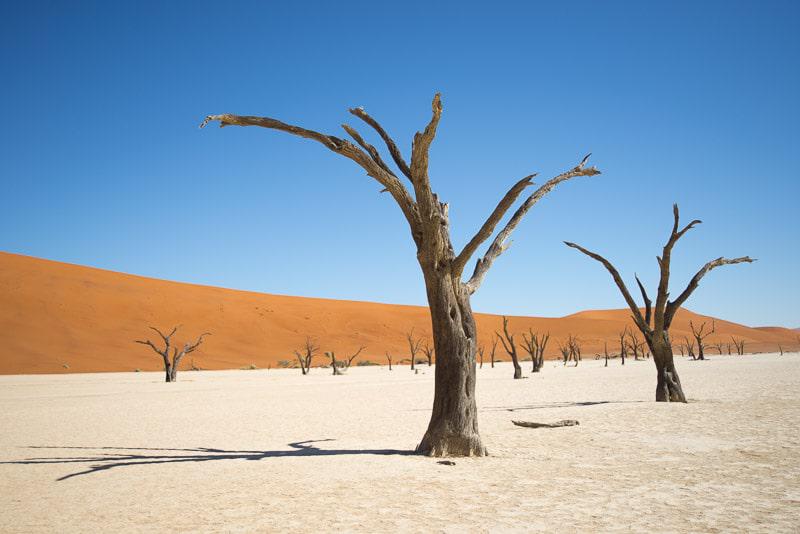
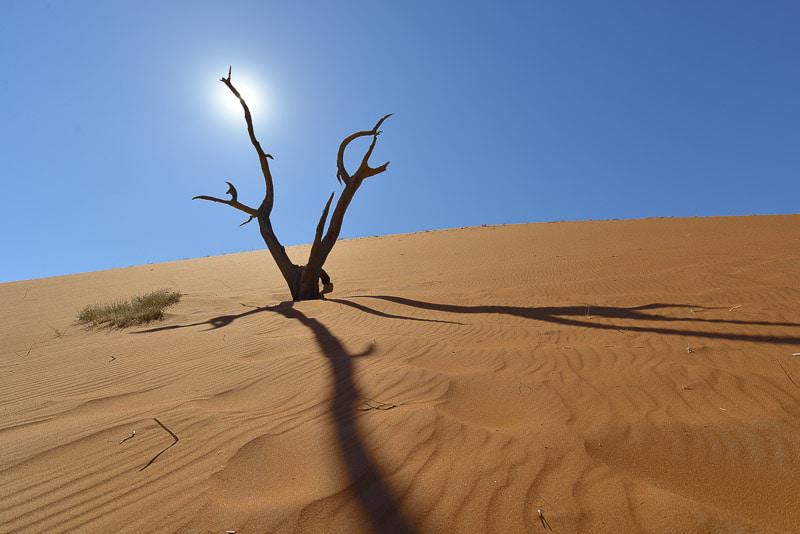
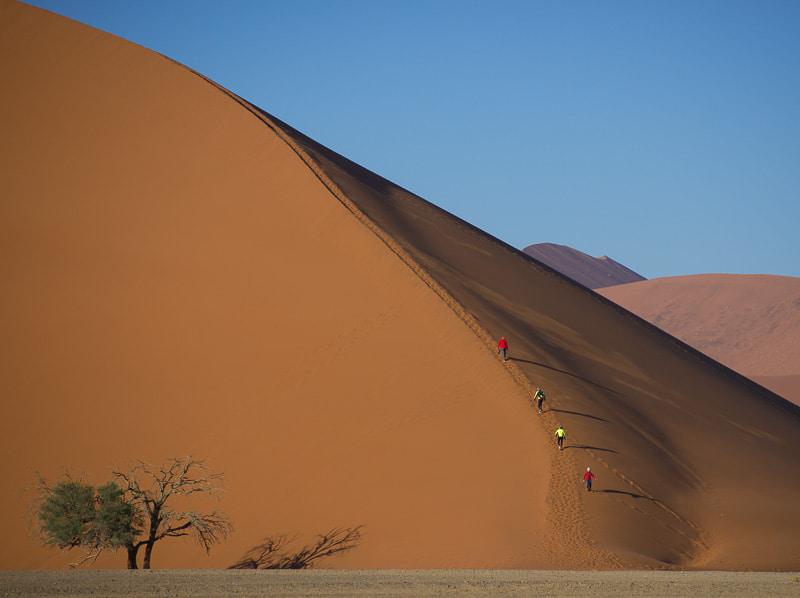
At the break of dawn head out to one of the world’s most iconic desert landscapes at Sossuvlei and Dead Vlei. Walking towards some of the world’s highest sand dunes, sculpted into incredible shapes, is a surreal and unforgettable experience. If you’re up for it, hike to the top of a massive dune to take some extraordinary photos.
Day 4 — Swakopmund and Walvis Bay
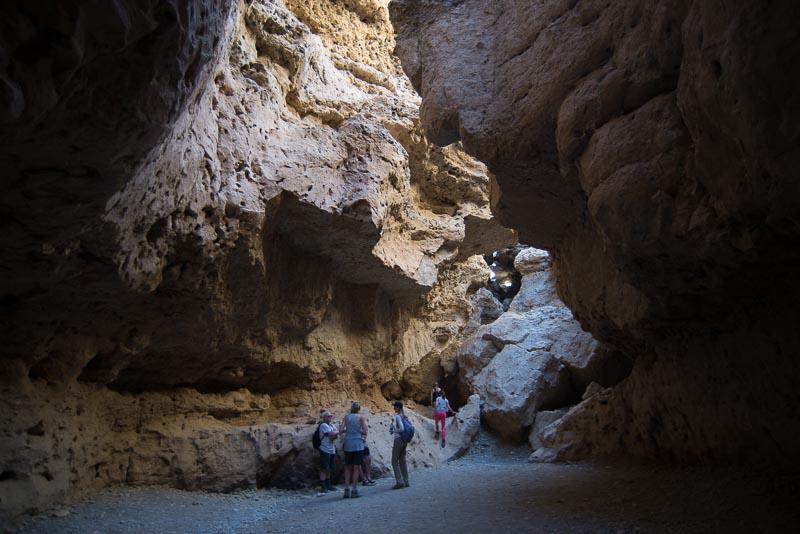
A five-hour drive north takes you from mountains and dunes to rolling grass-covered hills with scattered acacia trees. You have several stops en route, including Kuiseb Canyon and Walvis Bay. The afternoon is free to explore Swakopmund with its wonderful cafes, curios shops and beaches.
Day 5 — The Coastal Desert
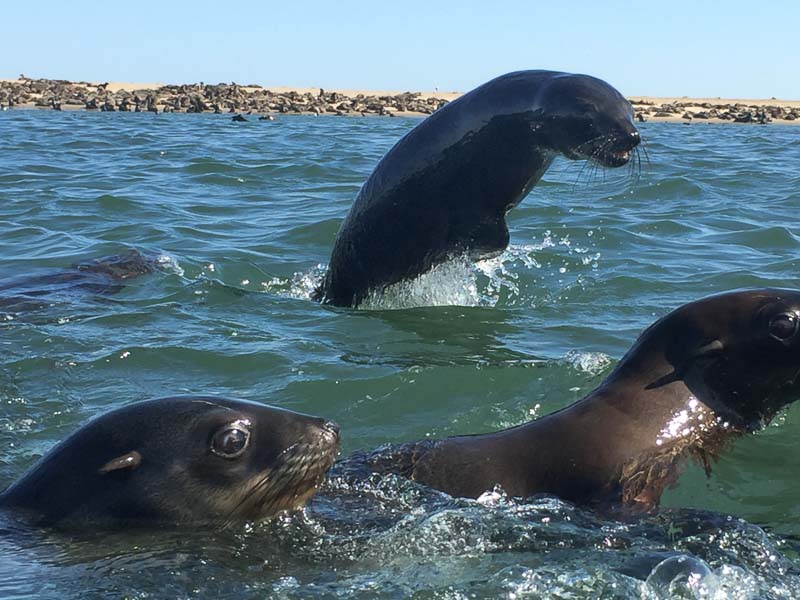
Take a 4X4 across the salt flats to Walvis Bay Lagoon; from here embark on a kayak exploration of its amazing diversity of birdlife and sea mammals including whales and dolphins. A highlight is a vast fur seal colony where the young are just starting to get independent. You and your kayak are welcome playmates, so look forward to some very close encounters and the odd spray of water from these boisterous youngsters!
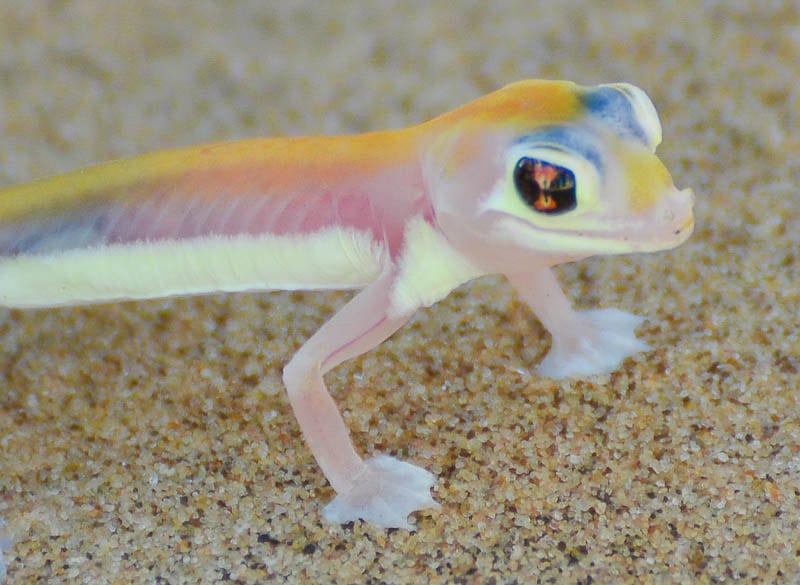
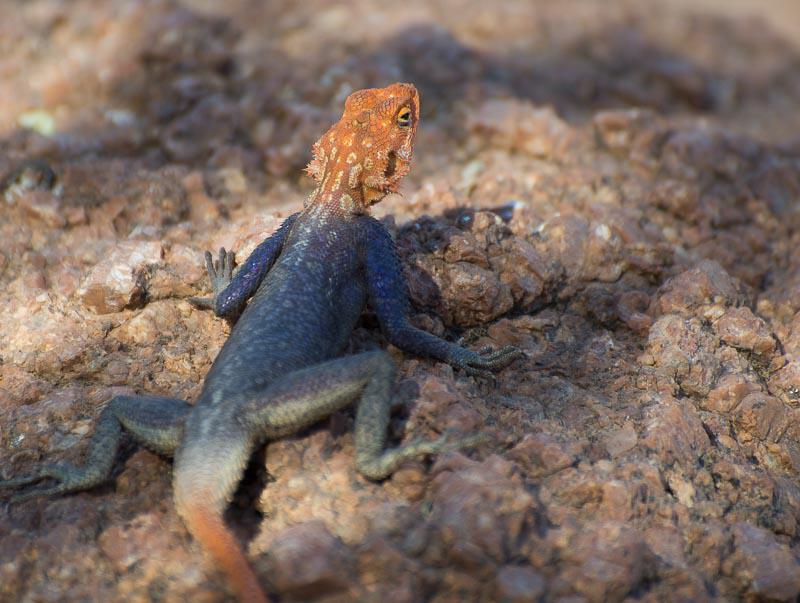
In the afternoon go deep into the Coastal Desert, a fascinating environment that, despite its harsh, inhospitable appearance, is home to a myriad of animals and plants whose survival depends entirely on the sea fog. Look for Palmato geckos, scorpions, Peringuey’s adder (famous for its side-winding motion, horned adder, Namib sand snake, Shovel-nosed Lizards, Namaqua chameleons, and Toktokkie beetles.
Day 6 — Damaraland, Huab River Valley
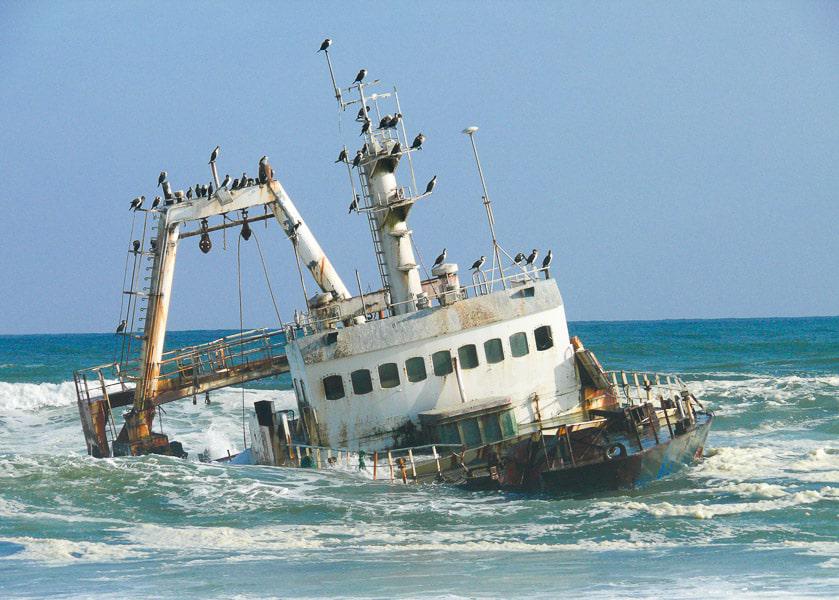
Today take an amazing scenic flight to Damaraland, over the Skeleton Coast and Cape Cross. In Damaraland, enormous granite outcrops and dolerite dykes have been carved by ice, wind and rain over aeons. Grassy plains, tree-studded riverbeds and endless open skies add to the grandeur and make this area one of the most scenic in Namibia.
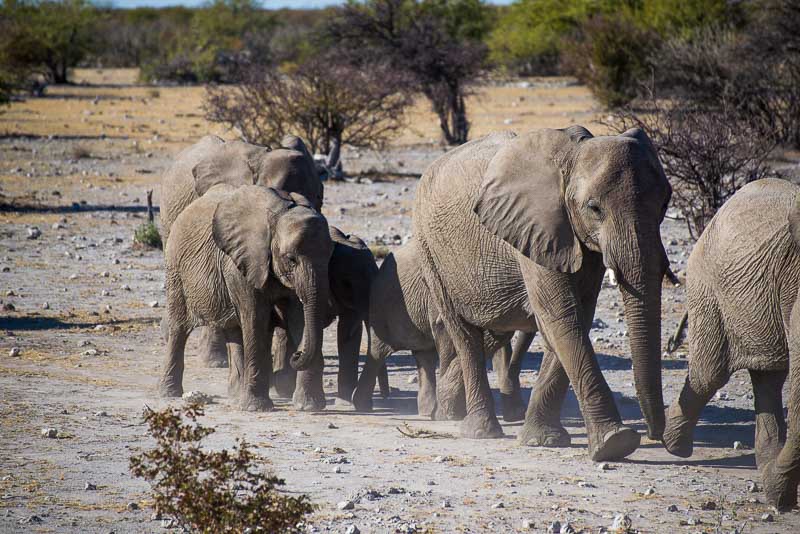
Day 7 Damaraland and Desert Elephants
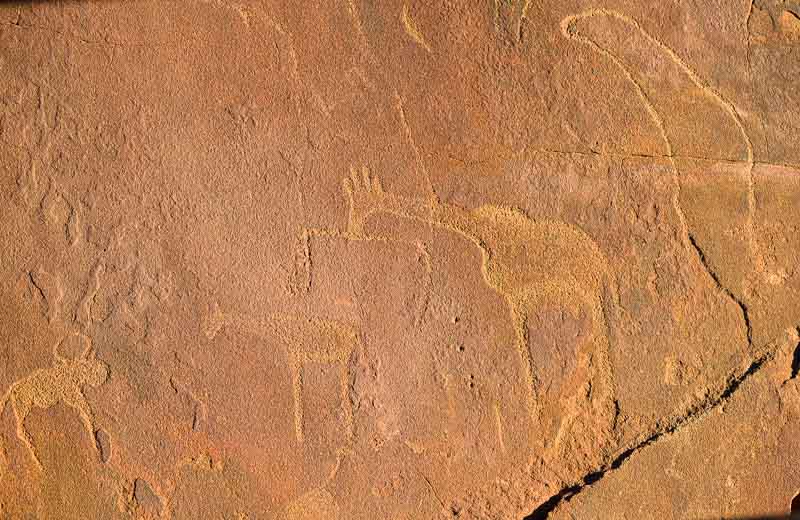
This morning you drive across the wild moonscape of Damaraland in search of desert elephants that traverse the rugged ridges and arid valleys. In the afternoon we explore the famous Twyfelfontein Rock Engravings (a UNESCO World Heritage Site).
Day 8 — Etosha National Park, Ongava
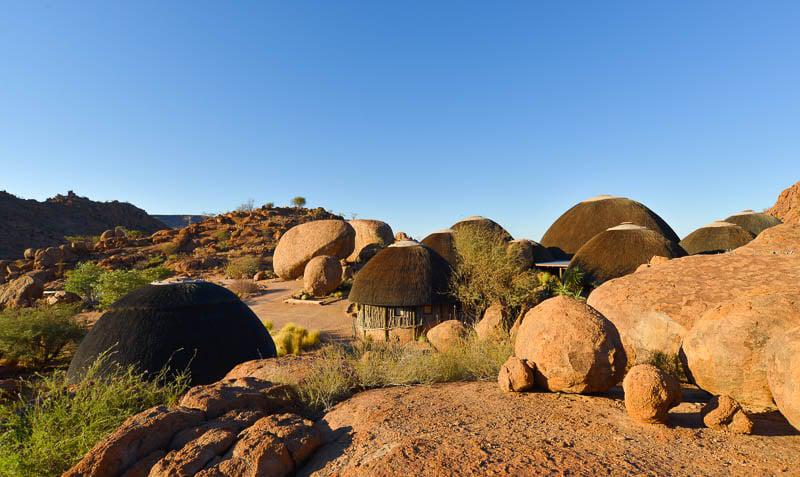
Head north to a wonderful boutique safari lodge on a private game reserve bordering Etosha National Park, your home for the next three nights. After settling in we embark on an evening game drive, then enjoy dinner under the huge African sky while watching wildlife (including rare and endangered rhinos) at a water hole close by.
Day 9 — Etosha National Park, Ongava
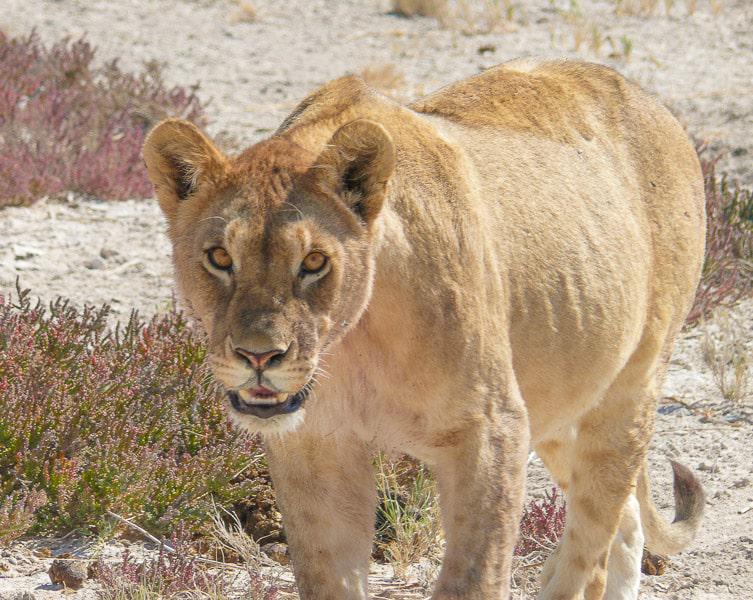
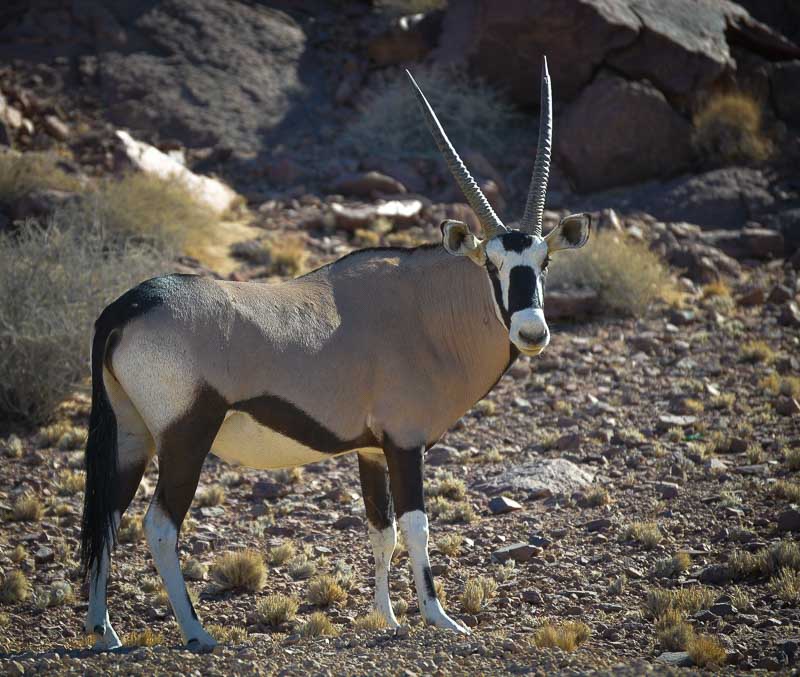
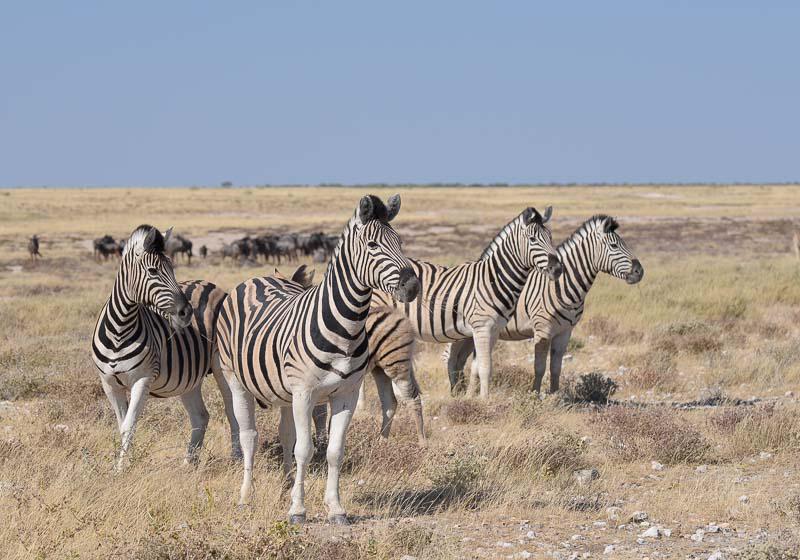
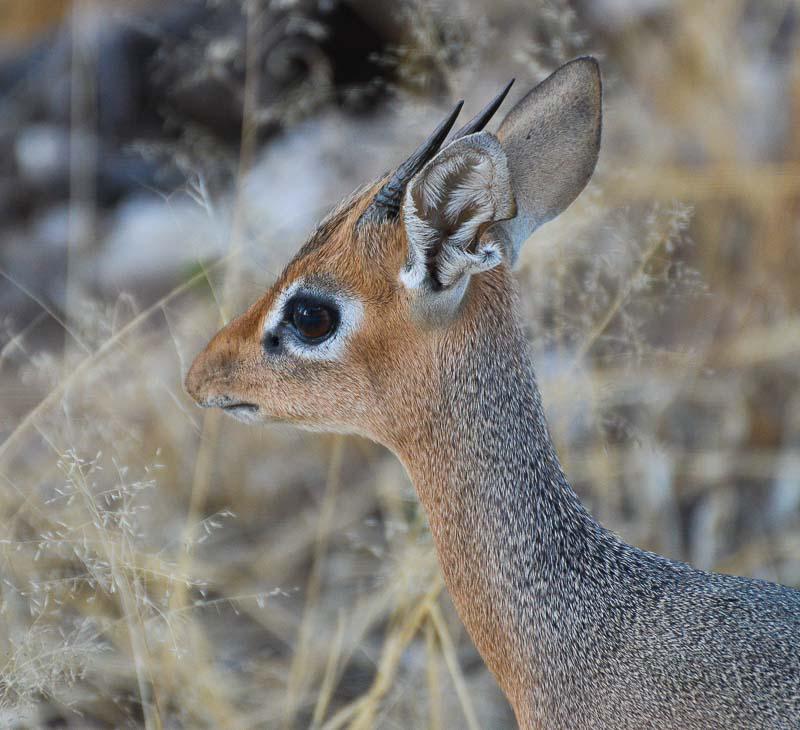
Take game drives throughout the vast expanses of Etosha, one of Africa’s biggest and best National Parks, It is renowned for its spectacular game viewing which includes 114 species of mammals such as elephant, lion, leopard, cheetah, hyena, giraffe, honey-badger, the endemic black-faced impala, kudu, eland, Damara dik-dik, warthog and big herds of springbok, zebra, blue wildebeest, red hartebeest and oryx, as well as such rare animals as black rhino. More than 300 species of birds are found here and it is brilliant for observing raptors.
Day 10 – Etosha East
This morning set off on a 150 km drive through central and eastern parts of the park. A huge salt pan covers much of this area and is home to abundant wildlife such as lions, elephants, black rhinos and giraffes, as well as a variety of birdlife including flamingos, ostriches, eagles, hornbills, and owls.
Day 11— Etosha East
This morning we go on a game drive into Etosha. The afternoon is free to relax at the lodge.
Day 12 Okonjima
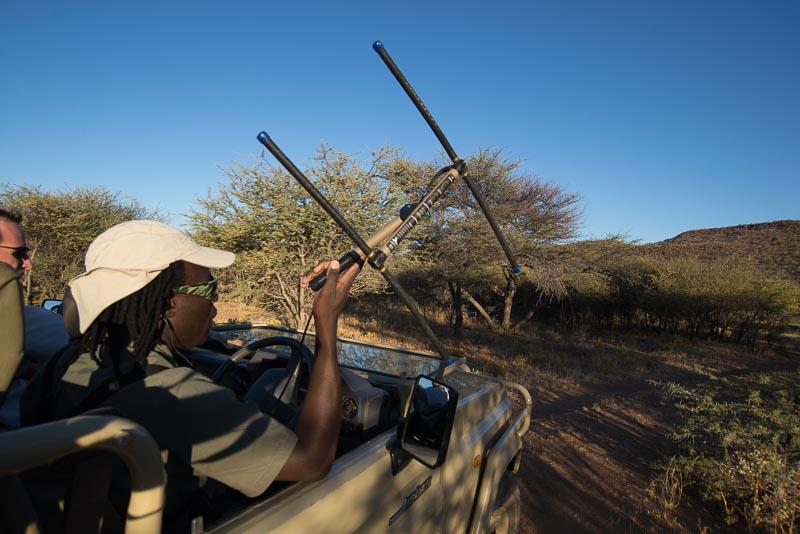
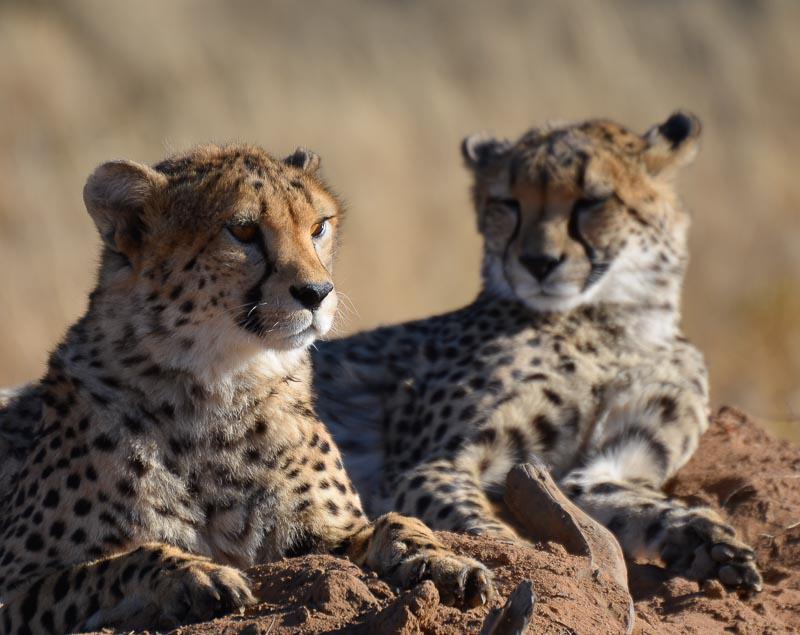
Heading southwards, spend the last night of this safari at Okonjima Bush Camp which is home to the world famous AfriCat Foundation, a non-profit organization, committed to long-term conservation of Namibia’s large carnivores, especially cheetahs leopards and lions. Witness some of AfriCat’s work: as well as tracking leopards from a game-view vehicle, we also go on foot to track rehabilitated cheetah, rehabilitated spotted hyena and the endangered African wild dog – an exciting finale to a spectacular trip!
Day 13 — Departure
After breakfast depart for Windhoek where you can catch your connecting flight. Please do not book your flight before 2:00 pm to ensure that we have enough time to arrive back in Windhoek.
Please note: this itinerary serves as an example of trip highlights and is subject to change.
FAQ
What about safety on this trip?
Namibia is a relatively safe country, but please observe the same safety rules you would at home. When in Windhoek, be cautious of mugging if you are alone on busy streets or in a taxi. Use the hotel room safes if they are available, and lock your luggage. When paying by credit card, keep the card in full view at all times, and do not let anyone see your pin number.
Where does the trip start and end?
Windhoek, the capital of Namibia.
How do I get to Windhoek?
You can fly there via Frankfurt or Johannesburg. Namibia Airlines flies direct to Windhoek from Frankfurt and South Africa Airlines flies direct from Johannesburg. Hidden Places provides airport transfers on the first and last days of the trip.
What are the physical activities on the trip and what level of fitness do I need?
The activity level is generally easy. We will have some optional hikes, including to the top of a massive sand dune. We will also spend an afternoon kayaking, hoping to spot whales.
Do I need a visa?
Citizens of North America, the UK and Europe do not need entry visas.
Do I need any special insurance?
Medical insurance, including emergency evacuation and trip cancellation is strongly recommended.
Do I need vaccinations?
Your routine vaccinations (Tetanus-Diphtheria, Poliomyelitis, Measles, Mumps, Rubella) should be up to date. A yellow fever vaccination certificate is required if you are coming from a country where the disease is present. Please consult with your physician or local travel health clinic.
What will the weather be like?
We will be at altitudes between sea level and 5500 feet. Most of Namibia has a subtropical desert climate, with low rainfall. From late May through September, daytime temperatures range from 20 to 30°C (68 – 86°F). The nights will be cool, with temperatures possibly dropping as low as 10 C (50F), and in desert areas on the coast it can get close to freezing.

Trip Details
Dates
Apr. to Oct.
Length
13 days, 12 nights (3 nights hotels, 7 nights safari lodges, 2 nights mobile camp)
Activities:
Game drives, scenic flight, kayaking, trekking, animal tracking on foot, wildlife and bird watching.
You might also like …
Galapagos Expedition
Antarctic Expeditions
Kenya Safari


Nothing like a lovely dust bath to start the day.
#africa #namibia #desertelephants #namibiandesert #namibiasafari #africaadventures #getclosetonature @ehranamibia @elephantswithoutborders
We were in the village to talk about elephant-human conflict. The hats were a distraction for a few minutes. There was mutual hat-admiration, but if it had been a competition I would have lost hands (hats?) down. #namibia2018 #herero #hererodress #ovaherero #elephantterritory #elephanthumanconflict #namibia
We rarely take selfies. But I’m glad we took this one, two years ago in Namibia. And grateful for all the time we spent wandering that astonishing country. We will return....
#travellingfree #namibiaadventures #namibiadreaming #etoshanationalpark #futureadventures #namibia